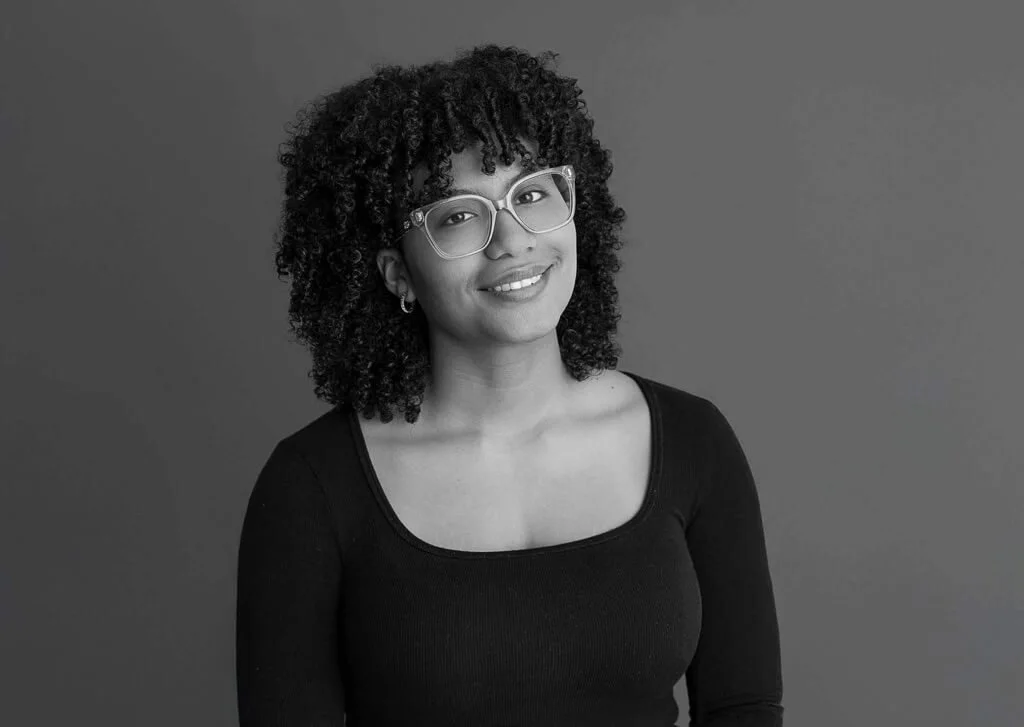
Chapter 3 - Headshot Techniques
Create clean, professional headshots using simple one-light setups.
Learn how to position and shape light, and guide your subject into natural, confident poses - whether you’re shooting at home, in a small office, or a compact studio.
What You’ll Learn In This Chapter
Exploring Headshot Techniques (Photography)
Headshots are one of the most practical and in-demand types of photography.
In this lesson, you’ll learn how to create clean, professional-quality headshots using simple one-light setups that can be done in small spaces like your home or a small office.
We’ll focus on how to position your light, control shadows, and guide your subject into natural, confident poses - without needing a complex studio setup.
By the end of this lesson, you will understand:
• How to build a clean, flattering one-light headshot setup
• How to position your light for the most natural and professional look
• How to use simple tools (like reflectors or walls) to control shadows
• How to guide your subject into natural, confident expressions
• How light direction impacts mood and depth
• How camera settings support your lighting choices
• How small posing adjustments improve overall headshot quality
Chapter 3 Downloads
These notes and resources are designed to work alongside the video lessons in this chapter.
Read → Watch → Practice
Download and review the notes first, watch the lessons, and then complete the chapter task to reinforce what you've learned.
Save these resources for future reference as you continue through the course.
🎥 Chapter 3 Videos
In this chapter, you’ll see how one simple lighting setup can be used to create different professional headshot styles by changing the background.
We’ll walk through two of the most common looks:
• A clean grey backdrop for a timeless, versatile headshot
• A bright white background for a modern, high-key look often used for corporate, business, acting, and dance headshots
These are widely used styles across many industries, and learning how to create both gives you flexibility as a photographer.
Follow along, pause when needed, and take your time practicing each setup.
Revisit these lessons as you shoot to build consistency and confidence in your headshots.
Simple One-Light Headshot Techniques
CAMERA SETTINGS FOR FLASH
Editing your headshots
Chapter 3 Task - Headshot Practice
Getting Comfortable With Simple Headshot Setups
This task is all about building confidence creating clean, professional headshots using a simple one-light setup.
You’ll be working with the same lighting approach from the lessons, while experimenting with different backgrounds to create different looks.
Your Setup
Your subject can be:
• Yourself (self-portrait)
• A friend
• A family member
Any option works perfectly.
Part 1 – Grey Background Headshot
Create a headshot using a neutral or darker background (grey wall, darker room, or anything that gives a similar look).
Focus on:
• Clean, simple background
• Light positioned at a flattering angle
• Natural shadows and depth
• Chest-up framing
• A timeless, professional look
Part 2 – White / Bright Background Headshot
Now create a second version using a bright or white background (a white wall works perfectly).
Focus on:
• Keeping the image bright and clean
• Controlling exposure so the background feels light and modern
• Maintaining a natural look on your subject
• Even, flattering light
This is a popular style for:
• Corporate and business headshots
• Real estate agents
• Actors and performers
• Dance and creative industries
What to Pay Attention To
As you create both versions, notice:
• How the same lighting setup can produce very different results
• How background choice changes the overall feel of the image
• How small adjustments in light position affect shadows and mood
• How your subject’s positioning impacts the final result
Goal of This Task
The goal is to show that you can create two distinct, professional headshot styles using one simple lighting setup.
No extra gear - just control, awareness, and practice.
There are no right or wrong results here - focus on experimenting, learning, and building confidence.
Next Chapter
When you're ready, continue on to the next chapter.